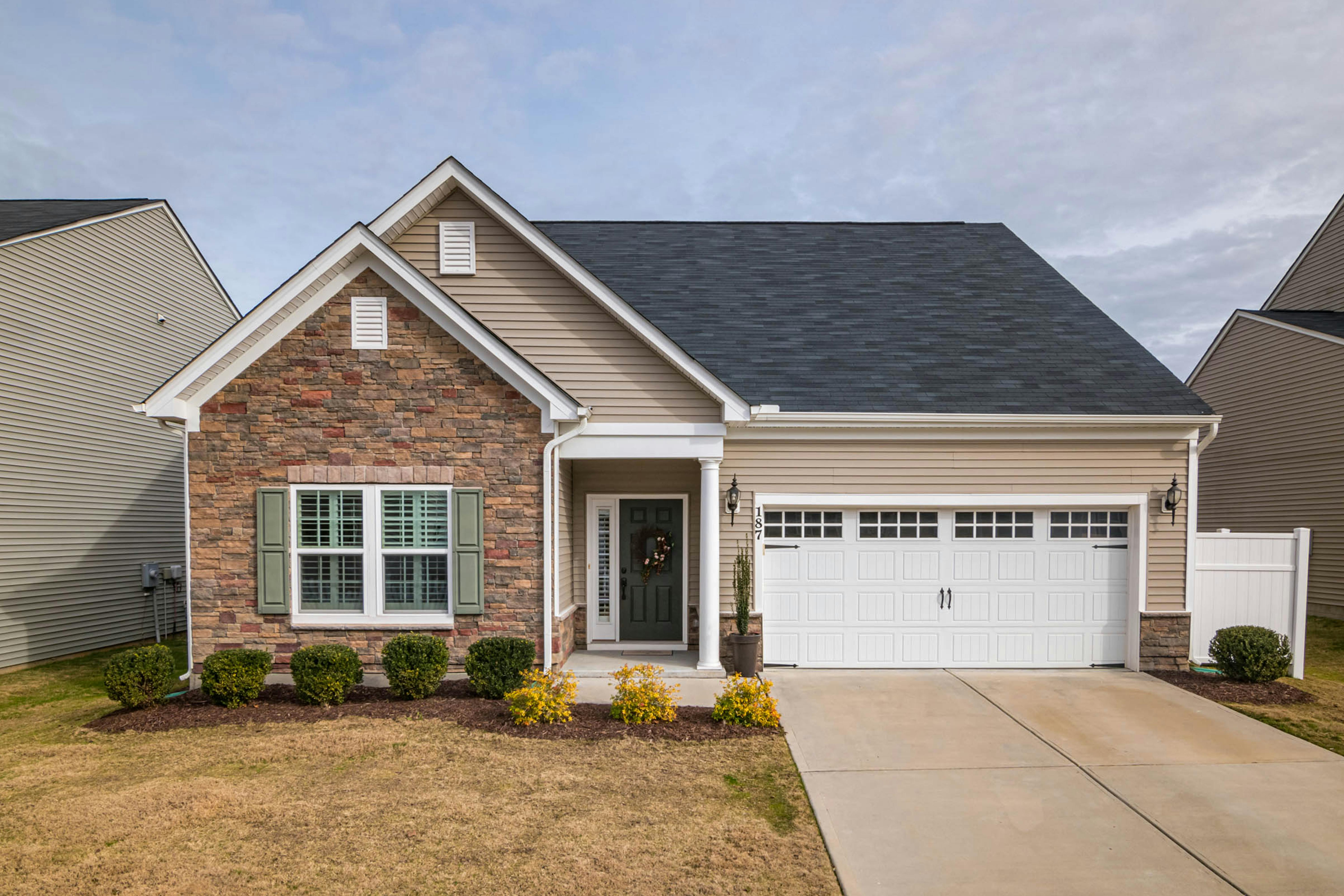
If you’re planning an HVAC replacement or new construction project in Sacramento, HERS field verification in Sacramento is almost certainly required before your building permit can be finaled. California’s Title 24 energy code doesn’t just demand that systems be designed to meet efficiency targets — it requires a certified third party to prove they actually do. Miss this step and your permit stays open, your project stalls, and your contractor faces a callback.
Whether you’re a homeowner trying to understand what your contractor is asking for or a builder keeping projects on schedule, this guide covers the five most critical facts about Sacramento HERS field verification — what it is, when it’s triggered, what gets tested, and how to pass cleanly the first time.
In This Article
- Fact 1: What HERS Field Verification Actually Is
- Fact 2: When Title 24 Triggers HERS Testing in Sacramento
- Fact 3: What Gets Tested During a HERS Visit
- Fact 4: How to Pass Your Sacramento HERS Test First Time
- Fact 5: Same-Day Reports Change Everything for Sacramento Projects
- Most Common Reasons Sacramento Projects Fail HERS Tests
- Frequently Asked Questions
- Schedule Your Sacramento HERS Test
Fact 1: What HERS Field Verification Actually Is
HERS stands for Home Energy Rating System. In California, the HERS program is administered by the California Energy Commission and serves as the official mechanism for verifying that a home actually meets the energy performance levels documented on its building permit. A certified HERS rater performs on-site field verification and diagnostic testing — measuring real performance, not reviewing design documents.
Think of it this way: your contractor submits plans showing the new HVAC system will meet Title 24 requirements. The building department approves those plans. But how does anyone confirm the system was installed correctly and actually performs as claimed? That’s the HERS rater’s role. Without HERS field verification in Sacramento, there is no independent confirmation that California’s energy standards were actually met — which is why the building department requires it before finaling the permit.
Certified HERS raters must be trained and certified by a California Energy Commission-approved HERS Provider such as CHEERS, CalCERTS, or PG&E. Results are submitted to the provider’s official registry and become part of the permanent permit record. You can verify rater certifications and learn more about the program at the California Energy Commission’s HERS program page.
Fact 2: When Title 24 Triggers HERS Testing in Sacramento
Sacramento County administers building permits for most of the Sacramento Metropolitan Area, applying California’s Title 24 Building Energy Efficiency Standards to all applicable permit work. The specific HERS measures required for any project are listed on the CF-1R compliance form submitted at permit application — and reviewing that document before installation begins is the single most important thing a Sacramento contractor or homeowner can do.
The most common Sacramento permit situations that trigger HERS field verification include:
- Full HVAC system replacement — replacing both the air handler and condenser almost always triggers duct leakage testing and refrigerant charge verification at minimum
- New duct system installation — any permitted project involving new ductwork requires a duct leakage test confirming the system meets Title 24 thresholds
- Air handler or condenser replacement only — even partial equipment swaps can trigger HERS measures if the CF-1R specifies them
- Room additions with HVAC extension — expanding conditioned space and modifying the duct system typically triggers duct leakage testing on the modified system
- Permitted insulation projects — attic re-insulation work tied to HVAC performance may require HERS insulation installation quality verification
- New construction — every new Sacramento home must pass all specified HERS measures before a certificate of occupancy is issued

Fact 3: What Gets Tested During a Sacramento HERS Visit
The tests performed depend on which HERS measures appear on the CF-1R for your specific project. For most Sacramento residential HVAC projects, these are the measures encountered most frequently:
Duct Leakage Testing
The most common HERS measure in Sacramento. The rater temporarily seals all registers, then pressurizes the duct system using a calibrated fan to 25 Pascals and measures how much air escapes. Results are expressed as a percentage of total system airflow. California’s Title 24 requires new duct systems to test at 4% leakage or less — a tight standard that demands proper mastic sealing during installation. Alteration projects in existing homes have a somewhat higher threshold, but testing and documentation are still required. Learn more about what duct testing reveals in our guide on uncovering hidden savings with duct testing.
Refrigerant Charge Verification
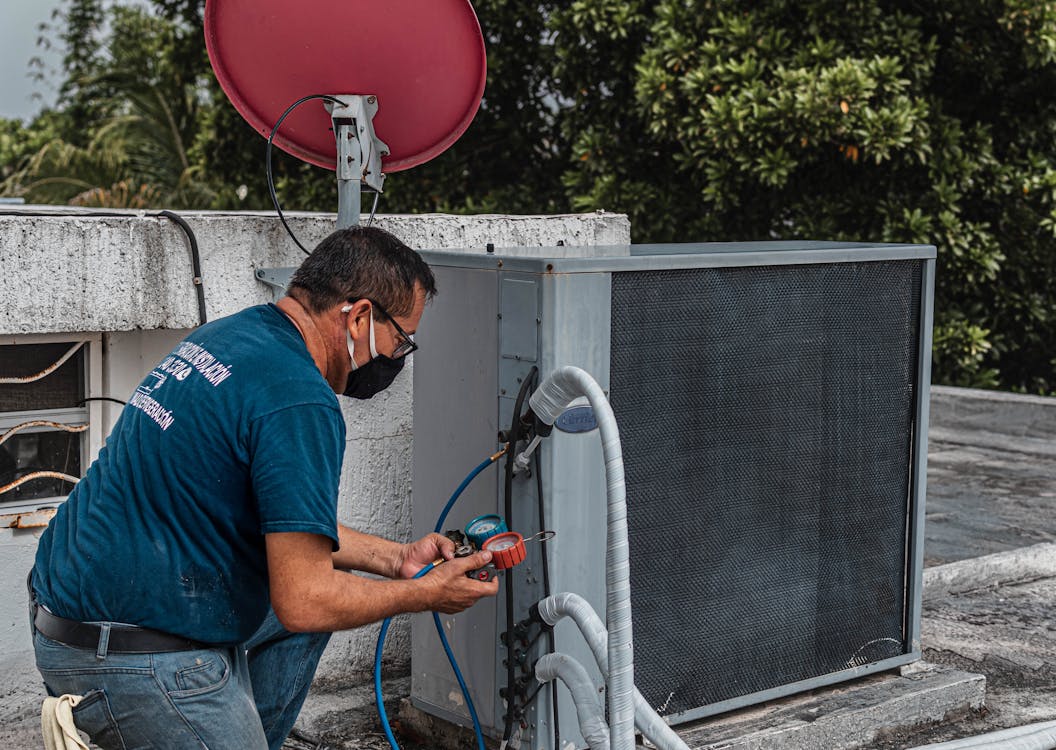
An improperly charged system reduces efficiency by 5–15% and shortens compressor life. HERS raters verify charge using calibrated measurement protocols — not the approximation methods many service technicians use. Systems outside the acceptable tolerance range fail this measure and must be corrected before the permit can close.
Airflow Measurement
Verifies that actual airflow across the evaporator coil matches the equipment’s rated specifications. Insufficient airflow is a common cause of both comfort complaints and high energy bills in Sacramento homes, and it’s one of the measures most frequently corrected after failing a HERS test.
Fan Efficacy Verification
California’s 2019 and 2022 Title 24 code cycles introduced air handler fan efficiency requirements measured in watts per CFM. This measure appears with increasing frequency on Sacramento permit CF-1Rs and requires confirmation that the air handler blower operates within the specified efficiency range.
Insulation Installation Quality
For projects involving permitted insulation work, the HERS rater confirms that the installed R-value and installation method match the permit specifications — an important check given Sacramento’s extreme attic temperatures of 140–160°F during summer.
Fact 4: How to Pass Your Sacramento HERS Test First Time
Failed HERS tests add cost, time, and frustration to Sacramento projects. The contractors who consistently pass on the first visit follow a simple but disciplined workflow:
- Review the CF-1R before installation begins — know every required HERS measure before your crew starts work, not after
- Seal duct connections with mastic during installation — not after, not at the last minute before the test; mastic applied during installation is the standard the test is checking for
- Verify refrigerant charge with calibrated equipment — document the result before the HERS rater arrives so any discrepancy can be diagnosed quickly
- Confirm airflow matches equipment specifications — check for any flex duct kinks, damper issues, or return restrictions before the test visit
- Schedule the HERS visit as part of the project timeline — not as a last-minute call after the homeowner asks why the permit hasn’t closed
- Ensure attic access is clear and safe — the rater needs to inspect duct sections in unconditioned spaces; blocked or unsafe attic access delays testing and can force a reschedule
The most reliable predictor of a clean first-time HERS test result isn’t the quality of the equipment — it’s the discipline of the installation process. HERS field verification in Sacramento rewards contractors who treat code compliance as a build standard, not a final inspection box to tick. See our overview of how HERS services improve home efficiency for more context on what the testing process reveals.
Fact 5: Same-Day Reports Change Everything for Sacramento Projects
In Sacramento’s active construction and remodel market, a project waiting on a HERS report is a project that isn’t closing. When the building department requires HERS documentation to final a permit and that documentation takes days to arrive from a remote processing office, every day of delay has a real cost — extended liability periods, delayed final payments, and frustrated homeowners.
Express Duct Test delivers the completed HERS report on-site before our rater leaves the property. Every test is documented in real time. Every compliance form is completed at the address. The homeowner or contractor has the full report the same day — ready to submit to the building department for permit finaling the next morning.
For Sacramento contractors managing multiple active projects simultaneously, this operational advantage compounds. Same-day reporting from one project doesn’t hold up the scheduling of another. When you can schedule a HERS test, receive the report that afternoon, and submit for permit final the following morning, your project timelines stay intact — and your clients stay happy.
Most Common Reasons Sacramento Projects Fail HERS Tests
Understanding the most frequent failure causes helps Sacramento contractors prevent them. Based on Express Duct Test’s experience across hundreds of Sacramento-area HERS visits, these are the issues we encounter most often:
- Unsealed duct connections — connections at the air handler plenum, register boots, and flex duct fittings that were assembled but not mastic-sealed before the test date. This is the leading cause of failed duct leakage tests.
- Approximated refrigerant charge — installers who set charge by feel or estimate rather than calibrated measurement. HERS protocols require documented evidence of a precise charge.
- Kinked or restricted flex duct — flex duct installed with excessive length, sharp bends, or compression that restricts airflow below rated specifications.
- Scheduling a test before installation is complete — raters occasionally arrive for test visits where duct connections haven’t been made yet, or the system isn’t operational. Confirm 100% installation completion before booking the HERS visit.
- Damaged flex duct from attic work — other trades working in the attic after duct installation occasionally puncture or disconnect flex duct sections. A final attic walkthrough before the test visit catches this.
- Attic access blocked or unsafe — raters need safe access to inspect duct sections in unconditioned spaces. Blocked hatches or unsafe conditions require rescheduling.
Frequently Asked Questions About HERS Field Verification Sacramento
How long does a HERS field verification visit take?
For a typical Sacramento single-family home with one HVAC system and duct leakage plus refrigerant charge verification, expect 1.5 to 2.5 hours on-site. Multi-system homes or projects with additional HERS measures take longer. Express Duct Test delivers the completed report at the property before departing — no waiting for documentation.
Who pays for the HERS test — the homeowner or the contractor?
This varies by project and is typically negotiated between the homeowner and HVAC contractor. Many contractors include HERS testing as a line item in their permit-required project bids. For homeowners who receive a bid that doesn’t mention HERS testing for a permit-required project, it’s worth asking the contractor directly how they plan to handle the compliance requirement.
Can I get a HERS test without a permit requirement?
Yes. Homeowners who want to understand their system’s performance outside of a permit context can commission a duct leakage test and other HERS measures independently. Results won’t be submitted to the registry, but they provide a useful diagnostic baseline and help plan energy improvements. See our article on how HERS is the key to a greener, more efficient home for more on using HERS evaluations proactively.
What happens if we fail the HERS duct leakage test?
The contractor makes corrections — typically sealing duct connections with mastic, correcting any damaged or disconnected flex duct sections — and schedules a retest. Express Duct Test can often return for a retest the same day or the following morning. We communicate clearly about exactly what failed and what needs to be corrected, so the path to a passing result is straightforward.
Is HERS testing different for new construction vs. existing homes?
Yes — primarily in the leakage thresholds. New construction duct systems in Sacramento must test at 4% leakage or less. Alteration projects in existing homes have a somewhat more relaxed threshold. Both require testing and documentation, and both must be submitted to the HERS registry before the permit can be finaled.

Final Tips for a Smooth Sacramento HERS Experience
Before wrapping up, here are the most impactful things Sacramento homeowners and contractors can do to make HERS field verification as smooth and fast as possible. Treat the HERS visit as part of the project — not a surprise at the end. Schedule it when you schedule the installation. Communicate with your HVAC contractor early about which measures are on the CF-1R so every installation decision is made with the test requirements in mind.
Keep attic access clear. A surprising number of HERS visits are complicated by blocked hatches, unsafe ladder situations, or insulation blown over access panels. None of these issues are difficult to prevent — they just require planning. Get your contractor to document refrigerant charge before the rater arrives. Having that data in hand makes any discrepancy fast to diagnose and resolve. Understand that a same-day report is your most valuable deliverable — it is what lets you submit for permit final the next morning rather than waiting days.
The HERS field verification Sacramento process exists to protect homeowners from paying for systems that don’t perform as designed. When contractors and homeowners work with it rather than around it, everyone wins — and the permit closes on time. For more on how a HERS evaluation benefits Sacramento homeowners beyond permit compliance, see our overview of how HERS services can save you money.
Schedule Your Sacramento HERS Field Verification Today
Express Duct Test is a certified HERS rating company serving Sacramento and the greater Sacramento Metropolitan Area — including Roseville, Rio Linda, Antelope, Rocklin, Fair Oaks, Folsom, Carmichael, North Highlands, and surrounding communities. Our raters are certified through multiple approved California HERS providers and deeply familiar with Sacramento County’s building processes and permit requirements.
We offer flexible scheduling to fit contractor and homeowner timelines, deliver completed reports on-site the same day, and maintain clear communication with your team throughout the process. Whether you need a single duct leakage test for a residential HVAC swap or full HERS field verification across a new construction project, we keep your permits moving.
Call or text us today at (916) 289-1211 to schedule your Sacramento HERS field verification.