

Planning an HVAC upgrade in Rio Linda? Before your project can close, you may need a certified HERS rater Rio Linda homeowners and contractors rely on to verify the installation meets California’s Title 24 energy code. Many homeowners — and even some contractors — don’t realize this requirement applies to their project until the building department flags an open permit weeks after installation is complete. Discovering the requirement at that stage creates delays, added costs, and documentation gaps that can complicate home sales, refinancing, and insurance claims for years.
This guide identifies the five most common Rio Linda HVAC upgrade scenarios that trigger a HERS requirement, explains exactly what the rater does on-site, covers what Sacramento County’s building department needs to final your permit, and details what Rio Linda homeowners can do to make the entire process fast and painless from start to finish.
In This Article
- Rio Linda’s Homes and Why HVAC Upgrades Are Common
- What a Certified HERS Rater Actually Does
- 5 HVAC Upgrade Situations That Require a HERS Rater in Rio Linda
- What to Expect During Your HERS Field Verification Visit
- Special Considerations for Rio Linda’s Older Housing Stock
- Why Involving a HERS Rater Early Saves Money and Time
- How to Pass Your Rio Linda HERS Test the First Time
- The Real Cost of Missing HERS Documentation
- Frequently Asked Questions
- Schedule Your Rio Linda HERS Test
Rio Linda’s Homes and Why HVAC Upgrades Are Common
Rio Linda is an unincorporated Sacramento County community with a housing stock that spans several decades — many homes here were built in the 1960s, 1970s, and 1980s, long before California’s modern energy efficiency standards took effect. Those older homes often have aging duct systems installed with minimal sealing, using materials and methods that have since been superseded by stricter Title 24 requirements. Flex duct installed in the 1970s and 1980s deteriorates over time — particularly in the extreme attic temperatures that characterize Sacramento Valley summers — and develops leaks that grow progressively worse over decades of thermal cycling.
When Rio Linda homeowners invest in new HVAC equipment, they are frequently connecting that new system to a legacy duct infrastructure that significantly undermines performance. A brand-new, highly efficient air conditioner paired with a duct system losing 25% of its conditioned airflow to attic leakage performs like a system that is 25% undersized. Sacramento County’s building department recognizes this reality, which is why HVAC upgrade permits in existing Rio Linda homes regularly require a HERS rater Rio Linda homeowners can trust to verify the work meets current energy code.
The other driver of HVAC upgrade frequency in Rio Linda is the Sacramento Valley climate itself. With cooling seasons stretching five to six months and temperatures regularly exceeding 100°F, HVAC systems in Rio Linda work harder than those in most California climates. Systems that might last 18–20 years in milder areas often reach end-of-life in 12–15 years in Rio Linda’s heat — accelerating the replacement cycle and the frequency with which homeowners encounter Title 24 HERS requirements.
What a Certified HERS Rater Actually Does
A certified HERS rater is a licensed professional trained and credentialed through a California Energy Commission-approved HERS Provider — CHEERS, CalCERTS, or PG&E. Unlike a general home inspector or HVAC technician, a HERS rater is specifically qualified to perform the diagnostic testing California requires for Title 24 compliance documentation. The certification process is rigorous: raters must complete approved training, pass certification exams, and maintain continuing education requirements to keep their credentials current.
On-site, the rater performs calibrated tests using standardized California protocols — duct leakage measurement using a duct blaster device, refrigerant charge verification using calibrated manifold gauges, airflow measurement across the evaporator coil, fan efficacy confirmation for air handler motor efficiency. Each test produces a documented result that is submitted to the official HERS registry. That registered documentation is what Sacramento County’s building department requires to final a permit requiring HERS measures.
Express Duct Test delivers every completed HERS report on-site before the rater leaves your Rio Linda property — no waiting for remote processing, no following up on documentation. The report is in your hands the same day as the test, ready for permit submission. For more background on what the HERS rating system measures and why it matters for Rio Linda homeowners, see our guide on HERS as the key to a greener, more efficient home.
5 HVAC Upgrade Situations That Require a HERS Rater in Rio Linda
Situation 1: Complete HVAC System Replacement
Replacing both the indoor air handler and outdoor condenser — the most common major HVAC investment Rio Linda homeowners make — almost always triggers HERS measures on the permit CF-1R. At minimum, duct leakage testing and refrigerant charge verification are required. This is typically the first time a Rio Linda home’s duct system leakage rate gets formally measured, and the results frequently reveal systems losing well above California’s allowable thresholds. Knowing the leakage rate before final inspection allows the contractor to address any issues before the official HERS visit, rather than after a failed test.
Situation 2: New or Replaced Duct System
Any permitted project involving new ductwork — whether part of a full HVAC replacement or a standalone duct system upgrade — requires HERS duct leakage testing to confirm the new system meets Title 24 leakage thresholds. For new duct installations in Rio Linda, the target is 4% leakage or less of total system airflow, requiring careful mastic sealing at every connection throughout the installation. This is an achievable standard when installation is planned with it in mind from the start — and a difficult one to retrofit after the fact.
Situation 3: Air Handler Replacement Without Full Duct Replacement
Many Rio Linda homeowners replace only the air handler when the indoor unit fails, leaving the existing duct system in place to manage cost. Even this partial replacement can trigger HERS measures if the CF-1R specifies them. Refrigerant charge verification and airflow measurement frequently appear on CF-1Rs for equipment-only replacements. Before assuming an equipment-only swap avoids HERS requirements entirely, confirm the CF-1R doesn’t list any measures — a step many contractors skip, creating end-of-project surprises that delay permit closing.
Situation 4: Room Addition With HVAC Extension
Converting a garage, adding a bedroom, or expanding conditioned space in a Rio Linda home requires permitting the HVAC extension — and that extension almost always triggers HERS duct leakage testing on the modified system. Depending on the scope of the extension, refrigerant charge and airflow verification may also be required. A certified rater must verify all measures listed on the CF-1R before the addition permit can be finaled. Failing to account for this requirement during project planning adds unexpected cost and delay at the worst possible time.
Situation 5: Permitted Attic Insulation Upgrade
Many Rio Linda homes have attic insulation levels well below California’s current code requirements. When homeowners undertake permitted re-insulation projects, Sacramento County may require a HERS insulation installation quality inspection confirming that the installed R-value and installation method match the permit specifications. This is an important verification given how significantly Rio Linda’s extreme summer heat impacts the performance of attic insulation — and how easy it is for insulation to be installed in ways that look complete from below but have coverage gaps that reduce real-world performance.
What to Expect During Your HERS Field Verification Visit
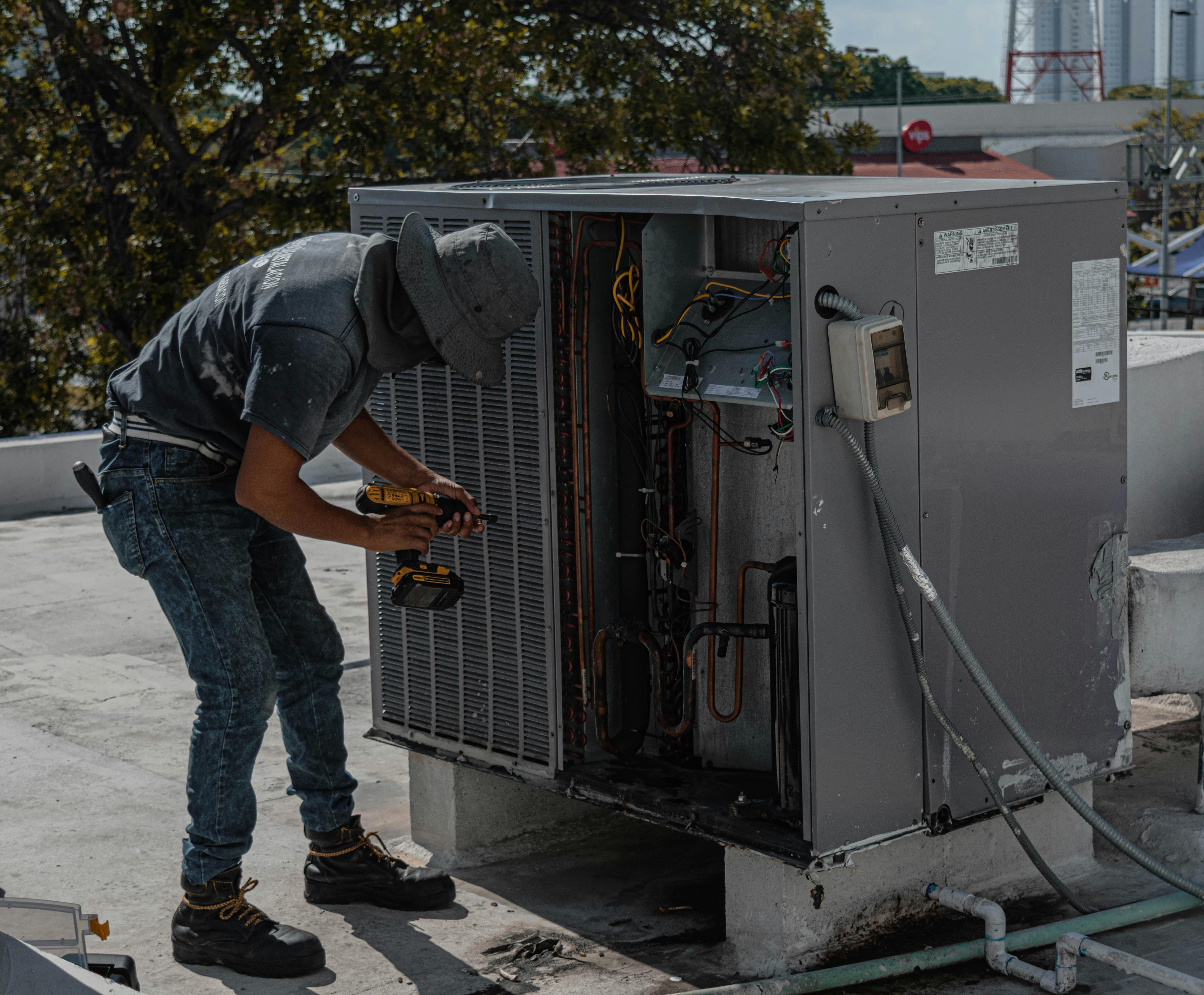
A HERS field verification visit from Express Duct Test is designed to be efficient and minimally disruptive to your Rio Linda home and schedule. Here is what a typical residential HVAC project visit looks like from start to finish:
Coordination and scheduling: We work directly with your HVAC contractor to schedule the test visit at the right point in the installation — after all equipment and ductwork are installed and fully operational, but with attic access still clear and unobstructed for inspection. Scheduling at the wrong project stage — before the system is operational, or after attic access has been blocked — forces rescheduling and adds delay.
Document review (10 minutes): The rater reviews the permit CF-1R at the start of the visit to confirm which specific HERS measures are required for your project and sets up the appropriate testing equipment. If the CF-1R is not available at arrival, this step takes longer and can delay the test.
Diagnostic testing (45–90 minutes): Tests are performed in a logical sequence — typically duct leakage first using the duct blaster device, then refrigerant charge verification using calibrated gauges, then airflow measurement across the evaporator coil, then any additional measures listed on the CF-1R. Each test uses calibrated equipment and follows standardized California Title 24 protocols.
Results review and same-day report: All documentation is completed on-site. The rater reviews the results with the contractor or homeowner before departing, explaining clearly what each test measured and what the results mean. The completed HERS report is left at your property before the rater leaves — ready for permit submission the same day, with no waiting for remote processing or email delivery.
Special Considerations for Rio Linda’s Older Housing Stock
Rio Linda’s older homes present specific characteristics that both homeowners and HVAC contractors should plan for during any upgrade project that involves HERS testing:
Legacy duct materials: Homes built before the mid-1980s may have duct systems using materials — fibrous duct board, early flex duct compounds — that no longer meet current standards and are difficult to seal effectively with mastic. When a duct leakage test reveals very high leakage rates — above 30% — the most cost-effective solution is often a full duct system replacement rather than attempting to seal a system that has degraded beyond practical repair. Your HVAC contractor can assess this after reviewing the test results, which is one more reason why testing before planning sealing work is more efficient than testing after.
Limited attic access: Many older Rio Linda homes have complex attic configurations — multiple levels, low clearances, irregular framing — with limited access points. Contractors should confirm attic access is clear, safe, and adequate for inspection before scheduling the HERS test. Limited access can prevent the rater from inspecting required duct sections and force a reschedule that delays the permit close.
Extreme attic temperatures and insulation conditions: Rio Linda attics regularly reach 140–160°F in summer. Any duct sections running through that environment must be wrapped in at least R-6 insulation per California’s current Title 24 requirements. In older Rio Linda homes where insulation has shifted, compressed, or been removed during previous service visits, this is a common finding during HERS field inspections — and one the rater will document and that the contractor must address before the permit can final.
Older refrigerant systems: Rio Linda homes with equipment originally installed before 2010 may use R-22 refrigerant, which has been phased out under EPA regulations and is no longer manufactured. When these systems are replaced, the new equipment uses R-410A or newer refrigerant blends. Refrigerant charge verification during HERS testing confirms the new equipment is correctly charged with the appropriate refrigerant — a critical step on any older-home equipment replacement.
Why Involving a HERS Rater Early Saves Money and Time
The most costly HERS scenario for Rio Linda homeowners is the last-minute call — when installation is complete, the building department has notified the homeowner that the permit is on hold for missing HERS documentation, and the contractor must revisit completed work to address issues the test reveals. At that point, attic access may be more difficult, insulation may have been reinstalled over duct sections that need sealing, and the homeowner is living in a disruption that should have been resolved during the installation phase.
When a certified rater is involved from the start of project planning — not called in after installation is complete — the installation is designed around passing the required measures from the beginning. Duct connections get mastic-sealed during installation rather than as a retrofit. Refrigerant charge is documented before commissioning is finalized. Attic access is confirmed before the test visit is scheduled. The result is a smooth single test visit, a passing result on the first attempt, and a permit that closes on schedule.
The additional coordination required to involve a HERS rater early is minimal — typically a phone call when the permit is pulled to confirm which measures are required and when the optimal test window falls within the installation schedule. The time saved by avoiding a failed test, a contractor callback, and a second test visit is significant. On a complete HVAC replacement in Rio Linda, the difference between proactive and reactive HERS scheduling is often three to five days of permit delay — and the associated carrying costs, scheduling conflicts, and homeowner frustration that come with it.
How to Pass Your Rio Linda HERS Test the First Time
Most first-time HERS test failures in Rio Linda stem from preparation issues that are entirely preventable. The following checklist covers the most common failure causes Express Duct Test encounters on Rio Linda residential HVAC projects — and the straightforward steps that prevent each one:
- Mastic-seal every duct connection during installation. The leading cause of failed duct leakage tests is duct connections that are assembled but not mastic-sealed before the test visit. This is a during-installation step, not an after-the-fact fix. Every joint, every boot interface, every plenum connection should be mastic-sealed before the rater arrives.
- Document refrigerant charge with calibrated equipment. The rater verifies refrigerant charge using the same measurement methodology they would use themselves. Installing refrigerant by feel or rule of thumb rather than calibrated measurement frequently results in a charge that falls outside the required range. Document the charge with a calibrated manifold gauge set during commissioning.
- Confirm the system is 100% operational before scheduling. A rater who arrives for a test visit where the system is not yet fully operational or accessible cannot complete the testing — and the visit must be rescheduled, adding delay. Confirm complete operational status with the lead installer before booking the test.
- Verify attic access and safety before the test day. Confirm the attic hatch is accessible, clear, and safe to enter. In Rio Linda homes where the hatch is in a closet or has been blocked during construction, discovering the access issue on test day adds a reschedule to the timeline.
- Have the CF-1R available at test time. The rater reviews the CF-1R at the start of the visit to confirm which measures are required. If the CF-1R is not available, the rater must work from general protocols rather than project-specific requirements, which slows the visit and can result in documentation gaps.
The Real Cost of Missing HERS Documentation
An open permit without required HERS documentation is more than an administrative inconvenience — it is a financial liability that compounds over time. Sacramento County’s building department will not final a permit with outstanding HERS requirements. An unfinalied permit means the project is not legally complete, which creates real downstream consequences for Rio Linda homeowners:
Home sale complications: Title searches and home inspections reveal open permits. A buyer’s lender may require permit finaling as a condition of financing. An open HVAC permit discovered during escrow — when time pressure is highest and flexibility is lowest — is a costly problem that a timely HERS test would have prevented.
Refinancing obstacles: Lenders refinancing a Rio Linda home with open building permits may require them to be finaled before closing. Identifying and resolving an open HVAC permit under refinancing time pressure creates the same schedule compression as escrow — and the same avoidable cost.
Insurance implications: Some insurance carriers will not cover unpermitted or non-final permitted work. An HVAC system installed under an open permit could create coverage gaps in the event of an equipment-related claim.
The California Energy Commission’s HERS Program page provides the full regulatory framework governing certified rater requirements and documentation standards across California. Understanding why these requirements exist — not just that they exist — helps Rio Linda homeowners and contractors treat HERS testing as a valuable quality verification rather than a bureaucratic hurdle.
Frequently Asked Questions About HERS Rater Rio Linda Services
How long does a HERS field verification take in Rio Linda?
For a typical single-system Rio Linda HVAC upgrade with duct leakage and refrigerant charge verification, expect 1.5 to 2.5 hours on-site from arrival to report delivery. Projects with multiple HVAC systems or additional HERS measures take proportionally longer. Express Duct Test provides estimated visit durations when you schedule so your contractor can plan accordingly.
Can I get a HERS test without a permit requirement?
Yes. Rio Linda homeowners who want to understand their system’s efficiency outside of a permit context can commission a diagnostic duct leakage test. The results provide a valuable baseline for planning improvements — especially useful before deciding whether to repair or replace an aging duct system. See our services page for details on diagnostic testing options.
What if my project fails the HERS test?
Express Duct Test communicates clearly about exactly what failed and what the contractor needs to correct. Corrections are made — typically mastic-sealing identified duct connections or adjusting refrigerant charge — and we return for a retest. We schedule same-day or next-morning retests whenever possible to keep your Rio Linda permit timeline intact.
Do I need to be present for the HERS test?
Someone with access to the home must be present — either the homeowner or the HVAC contractor. The rater needs access to all supply and return registers, the air handler, and the attic. For permit-required testing on a vacant home under construction, the contractor or their representative must be on-site throughout the visit.
Schedule Your Rio Linda HERS Field Verification Today
Choosing the right certified HERS rater for your Rio Linda project means choosing a rater who understands Sacramento County’s permit requirements, delivers same-day documentation, and communicates clearly with both homeowners and contractors throughout the process. Express Duct Test raters hold current certifications through multiple California-approved HERS providers and work daily with the building processes specific to Sacramento County.
Express Duct Test serves Rio Linda and the greater Sacramento Metropolitan Area — including Sacramento, Roseville, Antelope, Rocklin, Fair Oaks, Folsom, Carmichael, North Highlands, and surrounding communities. Flexible scheduling, same-day on-site reports, and clear communication from first call to permit final.
Call or text us today at (916) 289-1211 to schedule your Rio Linda HERS field verification and keep your HVAC project on track.